
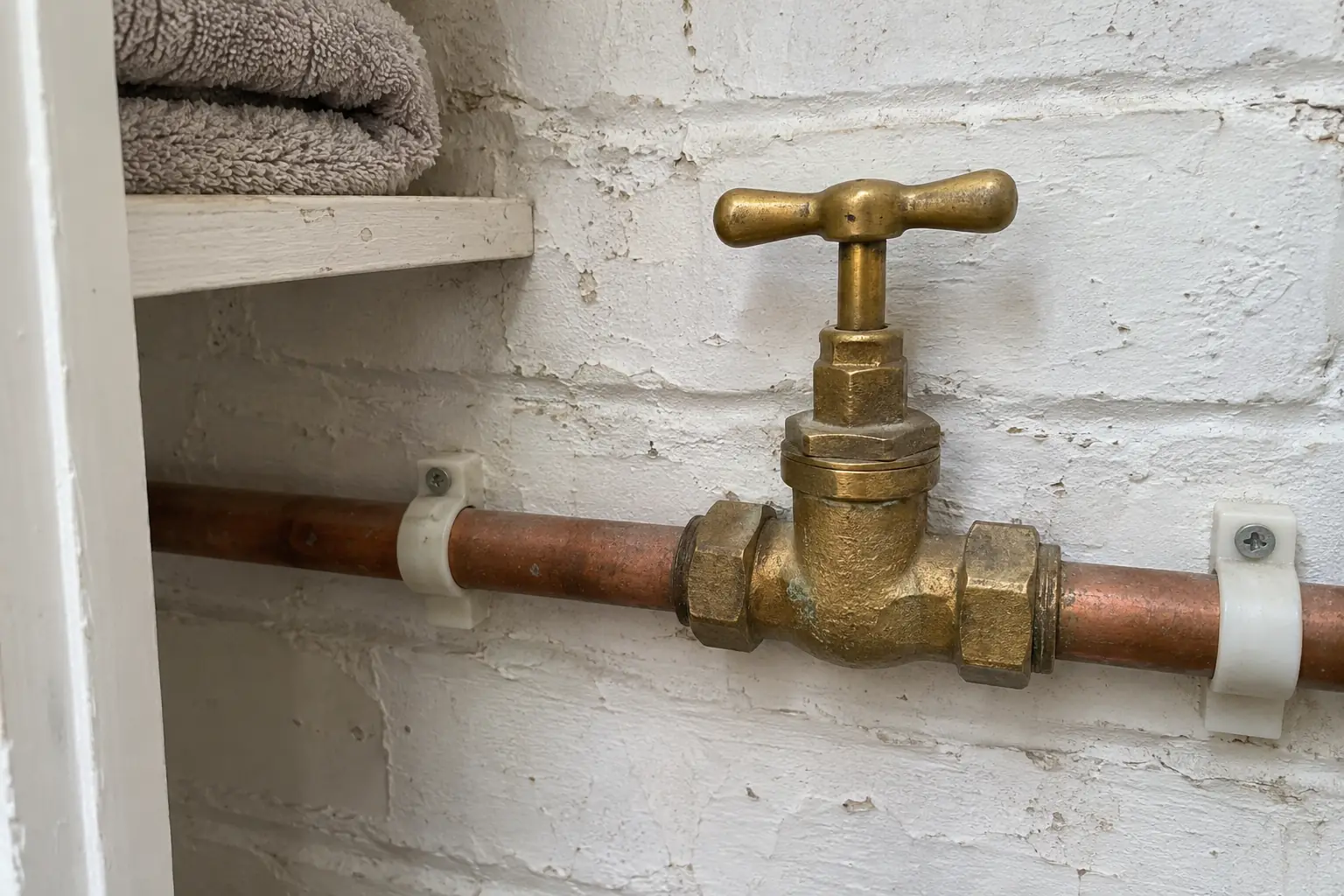
Know how to stop the water
Stopcock stuck, leaking or lost?
Stopcock stuck or leaking? Do not force it. Ring 07564 495989.
07564 495989Across Nottinghamshire and DerbyshirePhotos welcome
STEP 1 OF 2
Tell us what
has happened.
Water still escaping? Ring first. Otherwise, tell us here.
Right now
Stopcock stuck or leaking? Do this now.
- 01
Do not force a seized valve
Avoid pliers, long handles or excessive pressure. A stuck or damaged valve can become a larger leak if forced. Stop and explain what happened when it was tried.
- 02
Keep known isolation accessible
Move only light loose items if the area is safe. Do not disturb fitted units or reach past wet electrical equipment to expose the pipework.
- 03
Report an uncontrolled leak
If the internal valve will not stop an active leak, call and explain that clearly. The water company may need to help isolate the incoming supply.
- 04
Ring us
Postcode and what you can see.
Call 07564 495989
Keep people away from wet electrics, dirty water and sagging ceilings. If anyone is in danger, call 999.
Understand the problem
A small valve can control a much bigger problem
A working stop tap helps control the incoming water supply. If yours is stuck, leaking or fails to stop the flow, do not force it. Call us with your postcode and a description of the valve. Tell us where it is and what it is doing, and we will sort it.
The internal stop tap, sometimes called a stopcock, controls incoming water to a property. Smaller isolation valves may control individual fittings. They are not interchangeable, and their appearance varies. A valve that turns but does not isolate, a handle that is seized and water leaking around the body are different symptoms. Explain which symptom you have noticed rather than assuming the whole valve needs replacing.
Access is often the deciding factor. A stop tap may be in a kitchen cupboard, utility area or another place near the supply entry. Cupboards and later alterations can make it awkward to reach. A safe clear photograph can show what is visible, but do not remove structural panels or work around electrical connections. If you cannot identify the valve, say so; trying every handle can affect other parts of the system.
Before we repair or replace it, we make sure the supply can be shut off upstream. Shared supplies and external stop taps can involve other occupants or the water company. That arrangement must be understood before work starts. We check the valve and how the supply can be isolated, then repair or replace it.
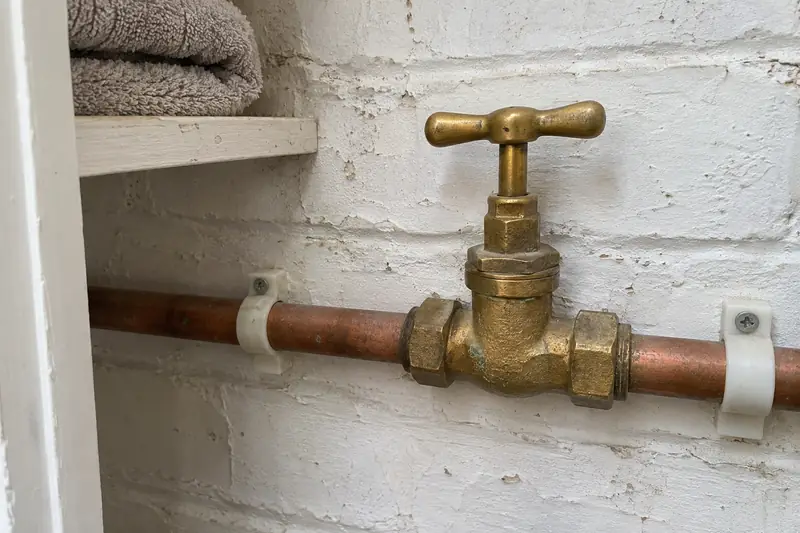 Example
Water appears around the spindle, body or nearby connection.
Water continues to flow when the valve should be closed.
Water where it shouldn't be?
Ring us. A postcode and what you can see is enough.
From the first call
A clear route
through the problem.
You know what is happening, what is agreed and what comes next.
Identify the valve and symptom
Describe its location, handle type and whether it controls the whole supply or one fitting, if known. Say whether the fault is stiffness, leakage or failure to isolate.
Check upstream isolation
Before any work, the means of turning off water safely needs establishing. External or shared arrangements can require coordination rather than an immediate fitting swap.
Agree repair or replacement
Condition, connection type, access and parts affect the route. We tell you what the work includes and whether nearby pipework needs attention.
Explain operation and location
After agreed work, the valve’s operation and any remaining limitations should be clear. Keep its position accessible and tell other relevant occupants how the supply is controlled.
Which one is you?
Pick the closest match.
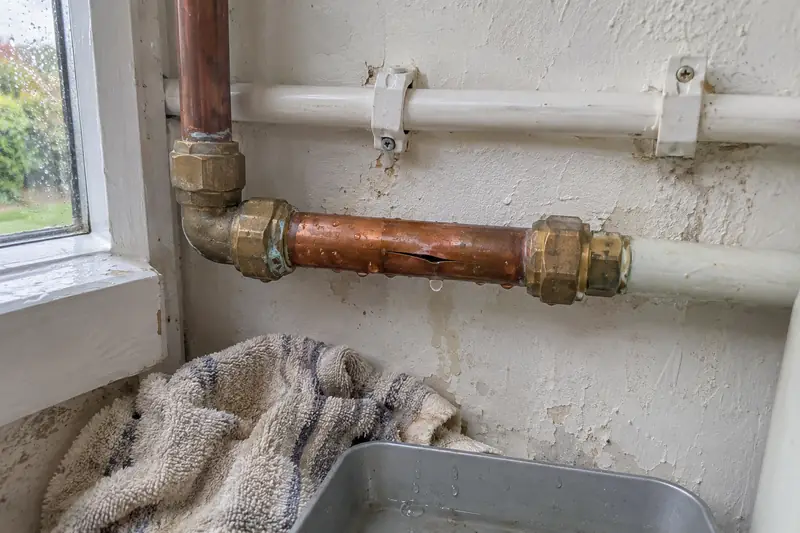
Valve leaking now
Tell us how quickly water is escaping and whether you can isolate elsewhere using a known safe valve. Do not conceal the leak with tape before showing the location.
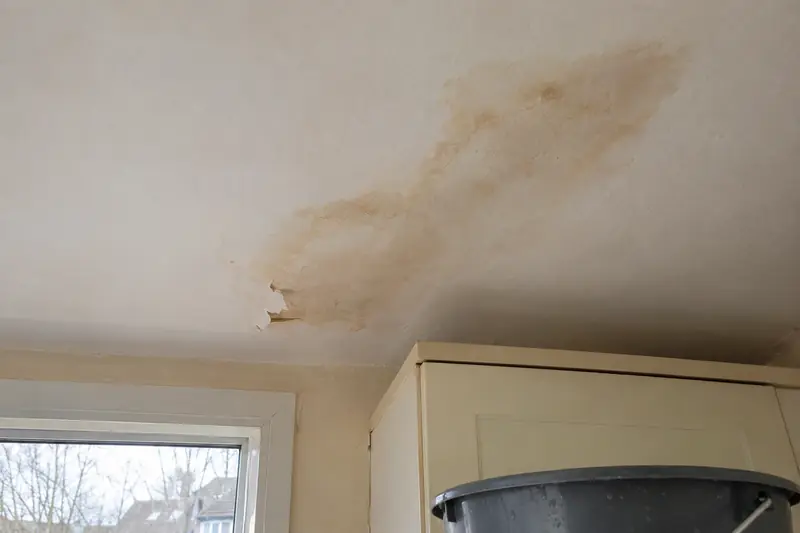
Valve stuck but not leaking
Get it sorted now, before an emergency makes it urgent. Include a photo of the valve and enough surrounding pipe to show the available space.
Unsure where isolation is
Describe the property and any known supply entry point. Do not assume an outside chamber controls only your home or try an unidentified shared valve.
When you ring
What happens
when you ring.
Tell us what you can see
No jargon. Where the water is, what has stopped working, your postcode.
We help you make it safe
Where your stopcock is, what to switch off, what to leave alone.
Send a photo if it helps
A quick picture on WhatsApp shows us the fitting before we arrive.
You know the plan
What we will do and how it is priced, before any work starts.
Questions, answered
Stopcocks & valves questions.
Water where it shouldn't be? Ring us.
Where is the internal stop tap usually found?
It is often beneath a kitchen sink or close to where the water enters the property. It may also be in a cupboard, utility space, garage or cellar. The exact location varies, especially where a property has been altered, so do not rely on a single expected position.
Which way should a stop tap turn?
A traditional stop tap generally closes clockwise, but valve designs differ. Operate a known valve slowly and gently. If it will not move or begins to leak, stop. Do not use extra tools or force to overcome stiffness, and do not operate a valve you cannot identify.
Can I use the external stop tap instead?
External isolation arrangements may affect a shared supply or require water-company involvement. Do not assume a chamber outside your home serves only you. If internal isolation fails during an active leak, contact the water company and explain the situation.
Why is water still flowing after I close it?
There may be water left in the system, a valve that is not closing fully or another supply arrangement. Note whether flow reduces and which outlets remain affected. Do not keep tightening the handle. Explain the result so the isolation arrangement can be assessed.
Is a dripping valve a quick tightening job?
Not necessarily. The leak can arise from different parts of a valve or its connections, and forcing it may worsen the problem. A safe photograph and a description of when it leaks can help. We check its condition and how to shut the supply off upstream, then repair or replace it.
Can a new valve be fitted somewhere easier to reach?
Where access is poor it is often worth moving, and we look at the route, space and supply first. We explain the options and any changes to cupboards or finishes. No relocation method should be assumed before inspection.
Where is my stopcock?
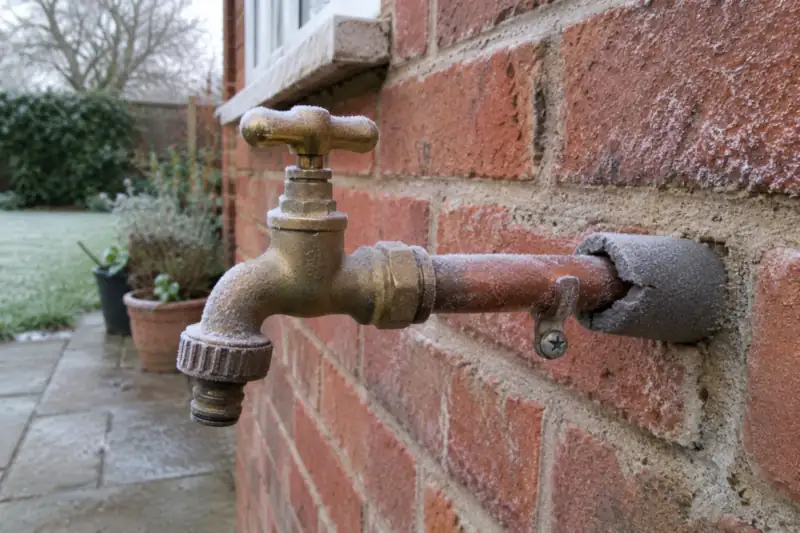
Most homes have the internal stopcock under the kitchen sink, where the supply pipe comes in. Other common places are a utility room, downstairs toilet, garage, cellar or under the stairs. If you cannot find it, we can show you when we visit.
No matching question. Try a shorter phrase or call us.
Where we work
Stopcock: areas we cover
Ring with your full postcode and the problem.
Emergency plumber NottinghamEmergency plumber MansfieldEmergency plumber BeestonEmergency plumber West BridgfordEmergency plumber ArnoldEmergency plumber HucknallEmergency plumber Sutton-in-AshfieldEmergency plumber Kirkby-in-AshfieldEmergency plumber EastwoodEmergency plumber DerbyEmergency plumber ChesterfieldEmergency plumber BelperEmergency plumber RipleyEmergency plumber AlfretonEmergency plumber HeanorEmergency plumber IlkestonEmergency plumber MatlockEmergency plumber DuffieldEmergency plumber AshbourneEmergency plumber Long EatonEmergency plumber Swadlincote
A clear next step
Plumbing emergency?
Ring us now.
Tell us your postcode and what is happening.